Logan Klein · 21 October 2026
Aerospace Collaborations Spark New Approaches to Sustainability in Metalworking Research
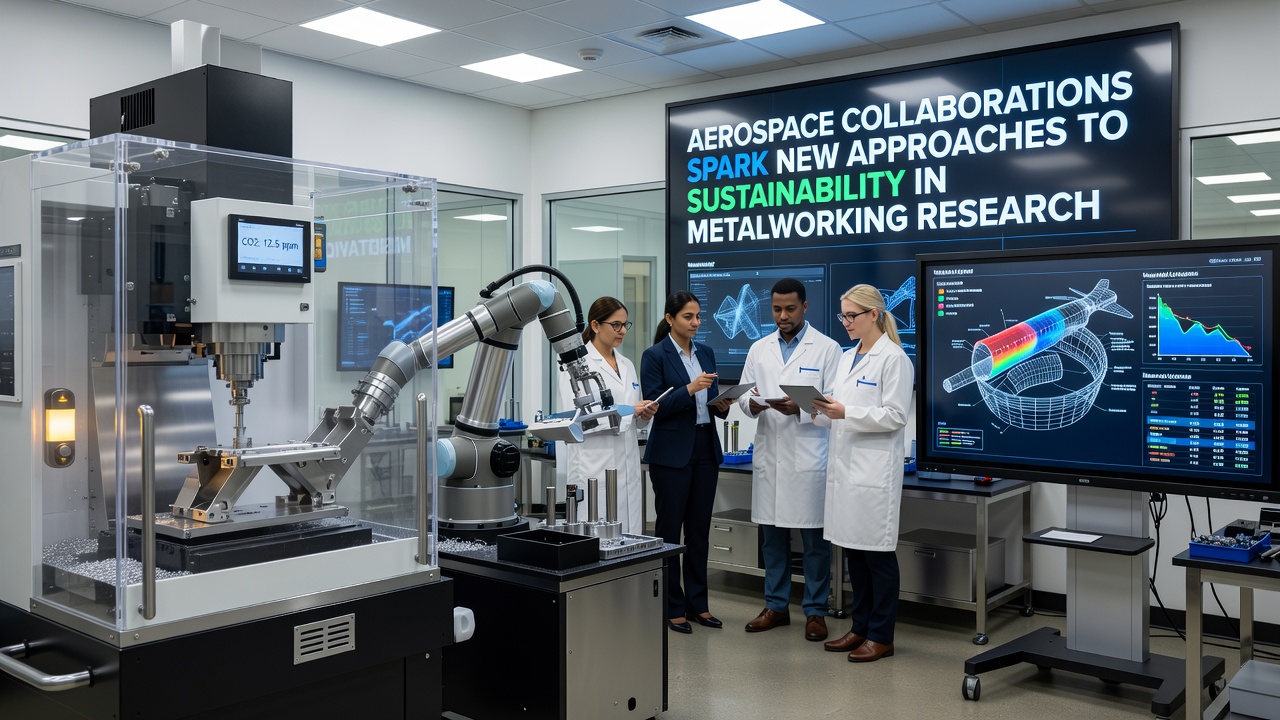
Teams from major aerospace manufacturers and specialized metalworking laboratories continue to form partnerships that target reductions in material waste along with lower energy demands during component fabrication, and these efforts build on established supply chain networks to test alternative processing routes that align with broader environmental targets set by international aviation regulators. Data from joint projects shows measurable drops in scrap rates when advanced sorting systems integrate with traditional forging lines, while researchers track how recycled titanium and aluminum alloys perform under extreme flight conditions.
Building Cross-Sector Research Networks
Observers note that aerospace firms now routinely share proprietary testing protocols with academic metalworking groups, and this exchange accelerates development of closed-loop recycling methods that recover up to 95 percent of machining byproducts according to industry reports compiled by the National Aeronautics and Space Administration. In practice, these collaborations often begin with small-scale trials of low-temperature forming techniques that cut electricity consumption during titanium shaping, yet the same approaches scale to larger airframe parts once validation cycles confirm structural integrity. What's interesting is how data collected from wind-tunnel components feeds directly back into refining alloy compositions so that fewer rare-earth additives appear in final products.
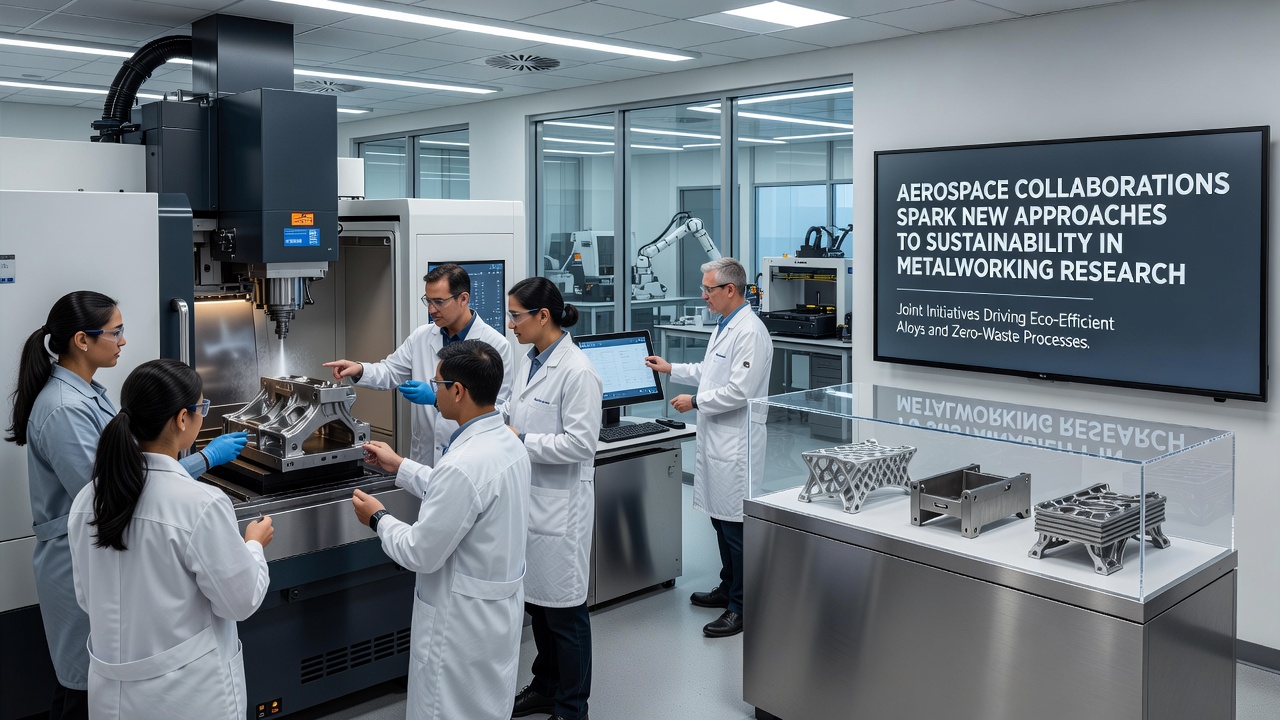
European research consortia have adopted similar models, and studies published through the European Space Agency highlight how additive manufacturing combined with subtractive finishing reduces overall material input by roughly 40 percent in bracket and fitting production. Those who've examined the workflow describe a sequence where powder-bed fusion creates near-net shapes followed by precision milling that generates minimal chips, and the chips themselves return to powder production streams without intermediate melting steps in many documented cases.
Advances in Sustainable Processing Techniques
Metalworking centers involved in these programs report consistent gains when they replace conventional cutting fluids with dry or minimum-quantity lubrication systems, and sensor arrays now monitor tool wear in real time so operators adjust parameters before defects force entire batches to be scrapped. Research indicates that such monitoring cuts unplanned downtime by nearly a third while maintaining surface finish standards required for fatigue-critical aerospace parts. But here's the thing: the same sensor data also supports predictive models that forecast when a recycled alloy batch will meet certification thresholds, shortening qualification timelines from months to weeks in several pilot lines.
October 2026 will see the next round of joint review meetings scheduled across multiple continents, and participants plan to present updated lifecycle assessments that compare legacy supply routes against the newer collaborative pathways. Figures released ahead of those sessions reveal that participating facilities have lowered their combined Scope 3 emissions tied to raw material sourcing by an average of 18 percent over the past three years. Engineers working on the ground note that these reductions stem directly from substituting virgin stock with certified recycled feedstock whose traceability chains now extend through blockchain-style logging systems.
Measuring Impact Across Global Facilities
Canadian and Australian research partners contribute complementary datasets on high-pressure waterjet cutting of large titanium plates, and their findings show how abrasive recovery systems can reuse media for dozens of cycles before disposal becomes necessary. The combined evidence base now includes thousands of test coupons evaluated under standardized loading spectra, allowing statistical confidence intervals to tighten around performance predictions for next-generation sustainable alloys. What's significant is that these results travel quickly between continents because participating organizations maintain shared digital repositories that update automatically after each validation run.
Training programs attached to the same projects emphasize cross-disciplinary skills, so machinists learn basic alloy metallurgy while materials scientists gain hands-on exposure to shop-floor constraints, and this blending of expertise produces process tweaks that neither group would have identified in isolation. One documented case involved a simple adjustment to feed rates during roughing operations that simultaneously lowered power draw and improved chip breakability for a high-nickel superalloy destined for turbine applications.
Conclusion
Continued expansion of these aerospace-metalworking alliances points toward wider adoption of circular-economy principles inside high-performance manufacturing, and the quantitative benchmarks established so far provide clear reference points for facilities still evaluating participation. As October 2026 approaches, updated findings from ongoing trials will likely refine the next set of sustainability metrics that regulators and manufacturers alike use to guide investment decisions.