Avery Jenkins · 2 September 2026
The faculty at Nobleforge has published an important study on sustainable alloy development. This work addresses the growing need for materials that are both high-performing and environmentally responsible. The publication appears in a leading materials science journal and details several breakthroughs achieved by the team.
Research Methodology and Results
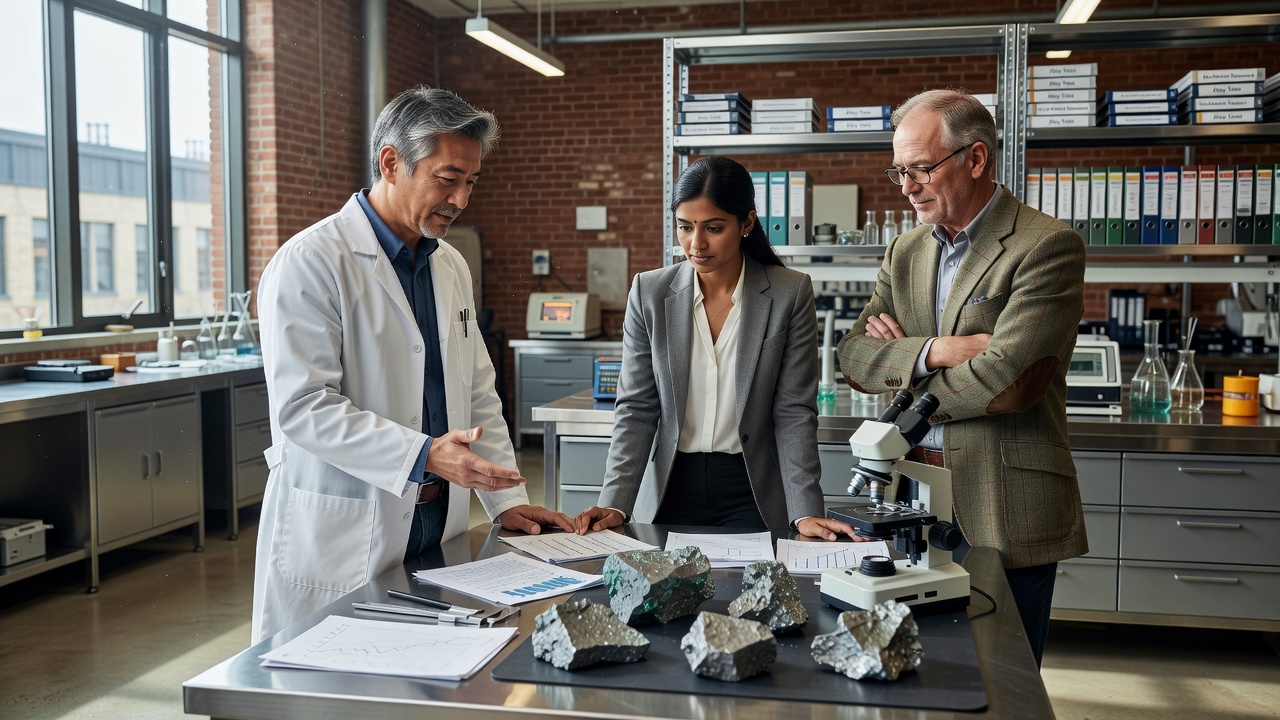
Researchers employed a combination of theoretical simulations and practical experiments to develop new alloy formulas. They tested various mixtures involving aluminum, titanium, and recycled steel components. The results showed improved corrosion resistance and durability under extreme conditions. Data collection involved high-temperature testing and stress analysis, revealing that the new alloys performed comparably to conventional ones but with lower environmental impact. The study also considered supply chain sustainability, recommending sourcing strategies that minimize ecological footprints. Over 500 samples were analyzed, providing robust statistical evidence for the claims made. Faculty emphasized ethical considerations in research, ensuring transparency in all findings. Students participating in the scholarship program assisted in data processing, gaining valuable experience in advanced laboratory techniques. This hands-on involvement enhances the educational value of the scholarship.
Future Directions and Industry Applications
Looking ahead, the study opens doors for applications in renewable energy infrastructure, such as wind turbines and solar panel frames. Industry leaders have expressed interest in licensing the technology for commercial use. The research team plans to secure additional funding for pilot production facilities. By fostering partnerships, Nobleforge aims to translate academic discoveries into practical solutions. The scholarship initiative will incorporate modules based on this study, preparing the next generation of engineers for challenges in sustainable manufacturing. This effort aligns with global goals for reducing industrial emissions and promoting circular economy principles. The publication has already garnered attention from international conferences, where faculty members presented their work to peers. Continued research promises further refinements, potentially revolutionizing the alloy industry.