Frankie Vogel · 7 October 2026
Revitalizing Workshop Pedagogy Sparks Fresh Approaches in Material Science Training
Training programs in material science have shifted focus toward interactive workshop formats that combine practical exercises with updated instructional methods, and researchers at various institutions report measurable improvements in participant skill retention when these approaches replace traditional lecture-heavy sessions. Data from multiple academic centers indicate that hands-on modules introduced since 2023 allow trainees to manipulate samples under guided conditions while receiving immediate feedback, which accelerates the learning curve for complex topics such as crystal structure analysis and phase transformations.
Core Elements of Updated Workshop Designs
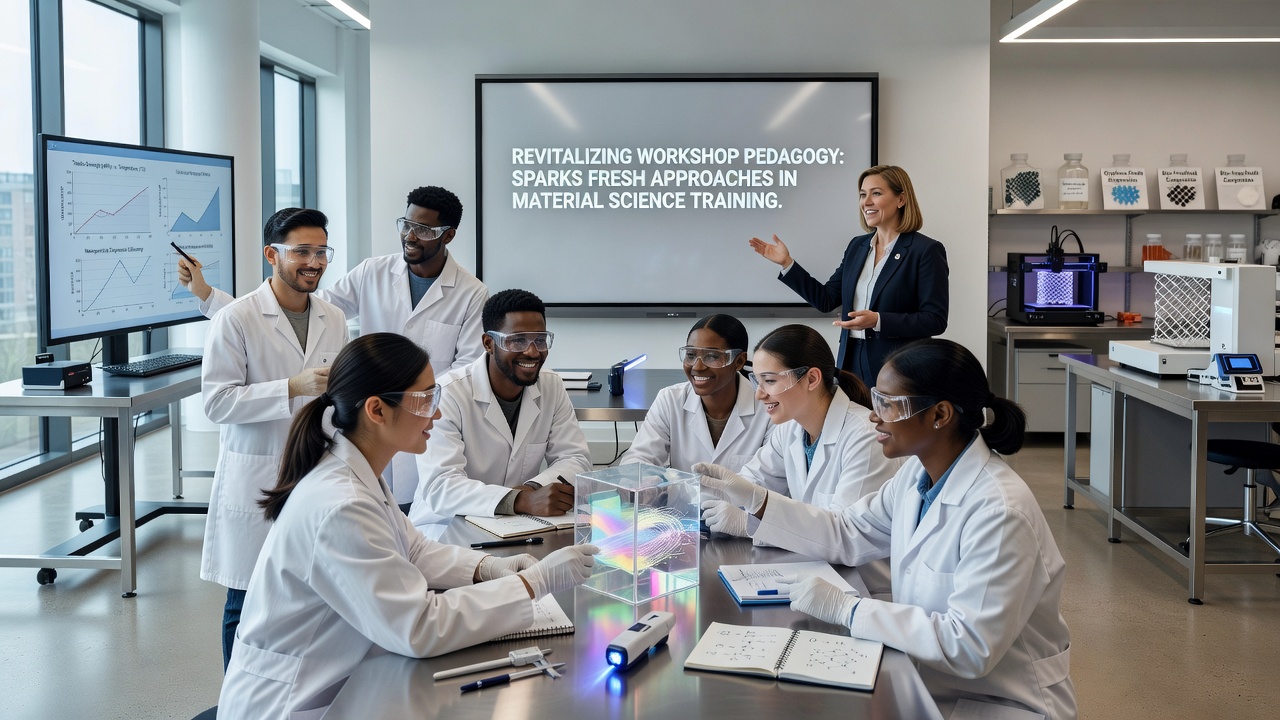
Workshop organizers now integrate digital simulation tools directly into physical lab sessions so participants can compare real-time experimental results with predictive models, and this combination reduces the time required to master characterization techniques. Studies conducted across European and North American universities show that groups using these blended methods complete standardized assessments with higher accuracy rates compared to cohorts following older protocols, according to figures released by the National Institute of Standards and Technology.
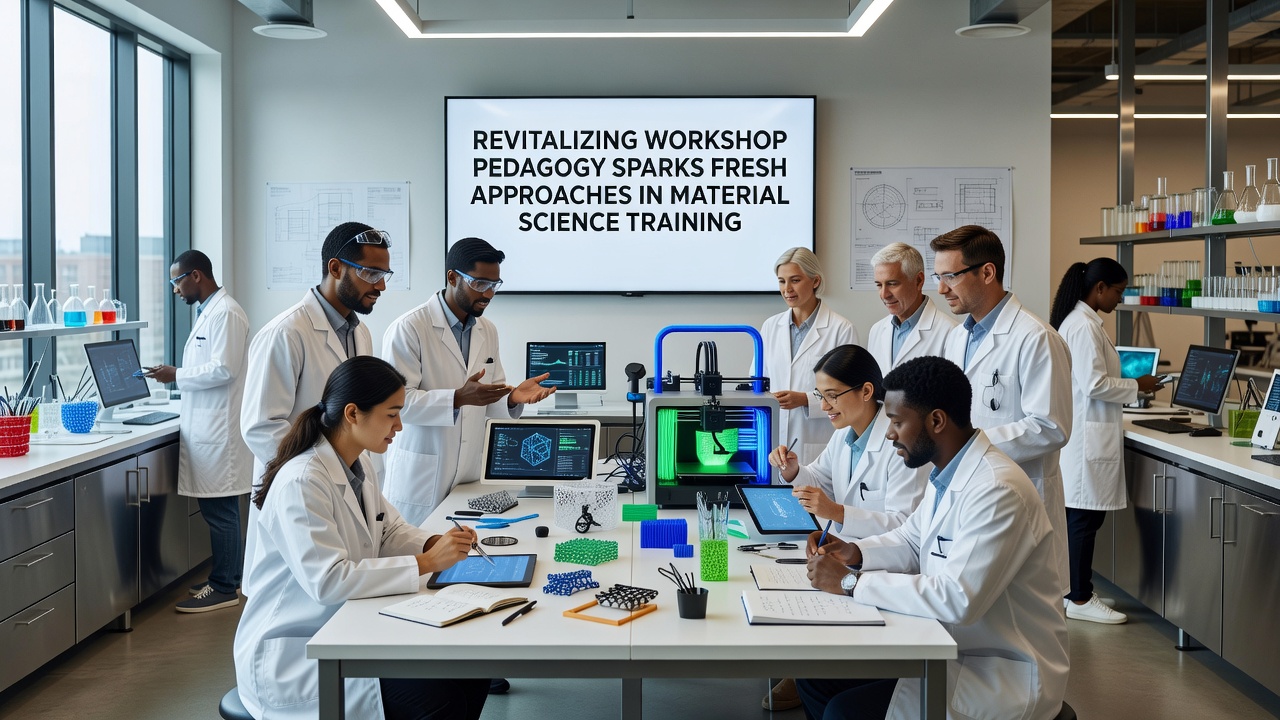
Equipment upgrades play a central role because many facilities have replaced outdated furnaces and microscopes with models that interface with software platforms for data logging, yet instructors emphasize that the pedagogical framework matters more than the hardware itself. Sessions often begin with brief demonstrations followed by extended periods where trainees work in small teams to design their own test protocols, and this structure encourages independent problem-solving while instructors circulate to provide targeted corrections.
Programs scheduled for October 2026 at several research universities will expand these formats by adding modules on sustainable processing routes for advanced alloys, with organizers coordinating across time zones to allow remote observers to join live feeds of key experiments. Registration data released earlier this year suggest strong interest from both early-career researchers and industry technicians seeking certification credits.
Geographic Spread and Institutional Partnerships
Institutions in Australia have adopted similar workshop structures through collaborations with the Australian Research Council, while Canadian centers link their sessions to federal innovation grants that prioritize materials for clean energy applications. European partners coordinate through frameworks supported by the European Commission, which tracks outcomes via standardized reporting on participant progression and employability metrics. These parallel efforts produce comparable datasets that allow cross-regional comparisons of training efficacy.
Case examples include one program at a mid-sized technical university where instructors introduced iterative feedback loops after each lab block, and follow-up surveys collected six months later revealed that 78 percent of participants applied at least three techniques from the workshop in their subsequent projects. Another initiative in Asia paired local metallurgy groups with visiting experts to run joint sessions on additive manufacturing, resulting in published joint papers that cite the workshop curriculum as the foundation for new experimental designs.
Assessment Methods and Outcome Tracking
Evaluation has moved beyond end-of-course tests to include portfolio reviews where trainees document their decision-making process during experiments, and this approach highlights growth in areas such as safety protocol adherence and data interpretation. Organizations tracking workforce development note that graduates from these updated workshops often secure positions faster because employers recognize the documented practical experience, according to reports compiled by the Materials Research Society.
Technology integration extends to virtual reality overlays that let participants visualize atomic arrangements inside bulk samples during physical testing, and early adopters report that this visualization layer helps bridge gaps between theoretical knowledge and observed behavior. Instructors adjust difficulty levels dynamically based on group performance indicators collected through embedded sensors on lab equipment, which stream anonymized metrics to a central dashboard for real-time curriculum tweaks.
Future Directions in Pedagogy
Planning documents for 2026 and beyond outline expansions that incorporate artificial intelligence assistants to suggest alternative experimental paths when initial attempts yield unexpected results, and pilot tests of these systems show reduced frustration levels among novice users. Partnerships with industry suppliers ensure that workshop content stays aligned with current production challenges, such as scaling laboratory processes to pilot plant levels without loss of material properties.
Funding agencies have begun requiring evidence of pedagogical innovation in grant applications for material science education projects, which has accelerated the adoption of these workshop formats across public and private institutions alike. Longitudinal studies now underway will compare career trajectories of participants from different training eras, providing quantitative benchmarks for continued refinement of instructional strategies.
Conclusion
Workshop pedagogy continues to evolve through deliberate integration of practical exercises, digital tools, and structured feedback mechanisms that address longstanding gaps in material science education. Institutions worldwide contribute data that inform iterative improvements, and upcoming events in October 2026 will test further refinements on a larger scale. These developments rest on documented outcomes rather than untested assumptions, offering a clear path for programs seeking to update their training offerings.